Your furnace starts. A few minutes later, it shuts off. Then it starts again and the frustrating cycle continues.
When a furnace repeatedly turns on and off before your home reaches the temperature set on the thermostat, the problem is often called furnace short cycling. Besides making your Austell home uncomfortable, frequent cycling can increase energy use, put unnecessary stress on heating components, and potentially shorten the life of the system. Carrier and Trane both identify restricted airflow, thermostat problems, improper furnace sizing, and other mechanical or safety issues among common causes.
For homeowners in Austell and the greater Atlanta area, addressing the problem early can help prevent a minor heating issue from becoming a more costly breakdown. H & H Mechanical has served the Atlanta area for more than 40 years, with NATE-certified HVAC technicians, a BBB A+ rating, and a 100% satisfaction guarantee.
Why Does a Furnace Keep Turning On and Off?
A furnace may cycle more frequently during very cold weather, but repeatedly starting and stopping before reaching the thermostat setting usually indicates a problem. Common causes include dirty filters, restricted airflow, thermostat or flame-sensor issues, overheating, venting problems, or improper sizing. Depending on the cause, the solution may range from replacing a filter to repairing or replacing the furnace.
1. Dirty Air Filters and Restricted Airflow
A dirty furnace filter can restrict airflow, causing heat to build up around the heat exchanger and trigger the safety limit switch. This shuts the burners off before they restart after the system cools. With the furnace turned off, replace an accessible, heavily soiled filter with the manufacturer-recommended type. If short cycling continues, schedule a professional inspection.
2. Thermostat Problems
Weak batteries, loose wiring, incorrect settings, poor calibration, or placement near sunlight, vents, or heat-producing appliances can cause inaccurate temperature readings and unusual cycling. Set the thermostat to Heat, confirm the temperature setting, and replace weak batteries. If the problem continues, contact a technician. Leave thermostat wiring and internal electrical troubleshooting to a qualified professional.
3. Flame Sensor Problems
A dirty or malfunctioning flame sensor may fail to confirm that the burners have ignited, causing the furnace to shut off the fuel supply and restart repeatedly. Have a qualified HVAC technician inspect the flame-sensing and combustion components rather than attempting to clean, adjust, or repeatedly reset the furnace yourself.
4. Furnace Overheating
A clogged filter, blocked vents, blower problems, dirty components, ductwork restrictions, or a faulty limit control can cause the furnace to overheat and shut down through its safety switch. Repeated overheating requires professional inspection to determine why the system cannot move heat properly through the home. Do not bypass or reset furnace safety controls in an attempt to keep the system running.
5. Blocked or Restricted Venting
Blocked exhaust vents, debris, restricted combustion air, or pressure-switch problems can interfere with safe furnace operation and cause the system to shut down. Because combustion gases must vent outdoors properly, suspected venting problems should be handled by a qualified HVAC professional rather than cleared, altered, or repaired from inside the furnace by a homeowner.
6. An Oversized Furnace
An oversized furnace can heat the area near the thermostat too quickly, causing frequent shutdowns, uneven temperatures, higher operating costs, and unnecessary equipment wear. Proper sizing should account for the home’s layout, insulation, windows, ductwork, climate, and heating load rather than relying only on square footage or the previous furnace’s capacity.
7. An Aging Furnace
As furnaces age, ignition components, sensors, blower parts, electrical controls, and safety switches may become unreliable and contribute to short cycling. One repair does not automatically mean replacement is necessary, but repeated repairs, rising energy costs, poor comfort, or major component failures may make a new furnace more practical.
What Should You Do When Your Furnace Keeps Turning On and Off?
Start with a few safe checks: confirm the thermostat settings, replace weak batteries, change an accessible dirty furnace filter with the system turned off, and make sure supply and return vents are not blocked. From a safe distance, note unusual shutdowns, ignition failures, odors, noises, soot, overheating, or venting concerns without opening furnace panels or attempting combustion-related repairs.
Seek professional help if you notice:
- Burning or unusual odors
- Repeated ignition failures
- Unusual banging or rattling
- Visible soot or persistent overheating
- Combustion or venting concerns
- A carbon monoxide alarm
If a carbon monoxide alarm sounds, leave the home and move to fresh air immediately. Contact your local fire department or emergency services and follow their instructions. Do not re-enter the home or operate the furnace again until the source has been evaluated and the home has been declared safe.
Furnace Sizing Can Affect Comfort and Equipment Life
A furnace that is too large for your home may create comfort problems even when the equipment itself is operating as designed. Proper furnace installation requires matching equipment capacity to the home’s heating load. The Department of Energy warns that oversizing can contribute to reduced comfort and shortened equipment life.
Can Regular Furnace Maintenance Prevent Short Cycling?
Regular maintenance cannot prevent every heating failure, but it can help identify developing problems before they leave your home without reliable heat. ENERGY STAR recommends having heating equipment professionally checked before the heating season, while routine filter replacement helps prevent restricted airflow, excess wear, and higher energy use.
A seasonal furnace inspection can evaluate airflow, controls, burners, ignition components, safety devices, and abnormal cycling before minor issues become more costly repairs.
When Is Furnace Replacement Better Than Another Repair?
Furnace short cycling does not automatically mean replacement is necessary, but replacement may be worth considering when repairs become frequent, major components deteriorate, comfort remains uneven, or the system was improperly sized. Rising operating costs and declining reliability can also make continued repairs less practical.
If replacement is needed, H & H Mechanical can help match a properly sized furnace to your home’s heating requirements for dependable performance, comfort, and efficiency.
Furnace Installation and Heating Service in Austell, GA
Austell homeowners need dependable heating when colder winter conditions move through the Atlanta area. H & H Mechanical has served the Atlanta region since 1983, bringing more than 40 years of experience, NATE-certified technicians, a BBB A+ rating, a 100% satisfaction guarantee, and a Georgia Conditioned Air Non-Restricted license.
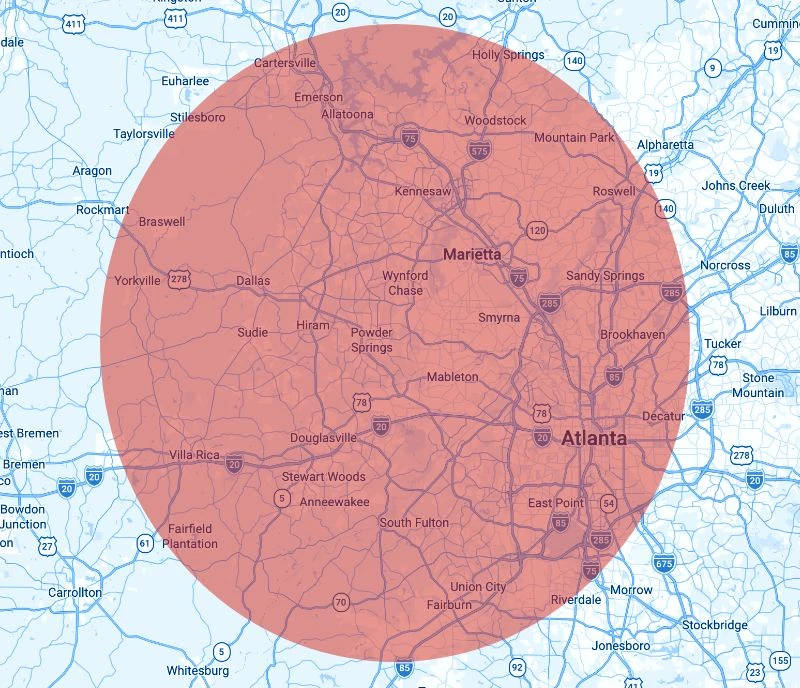
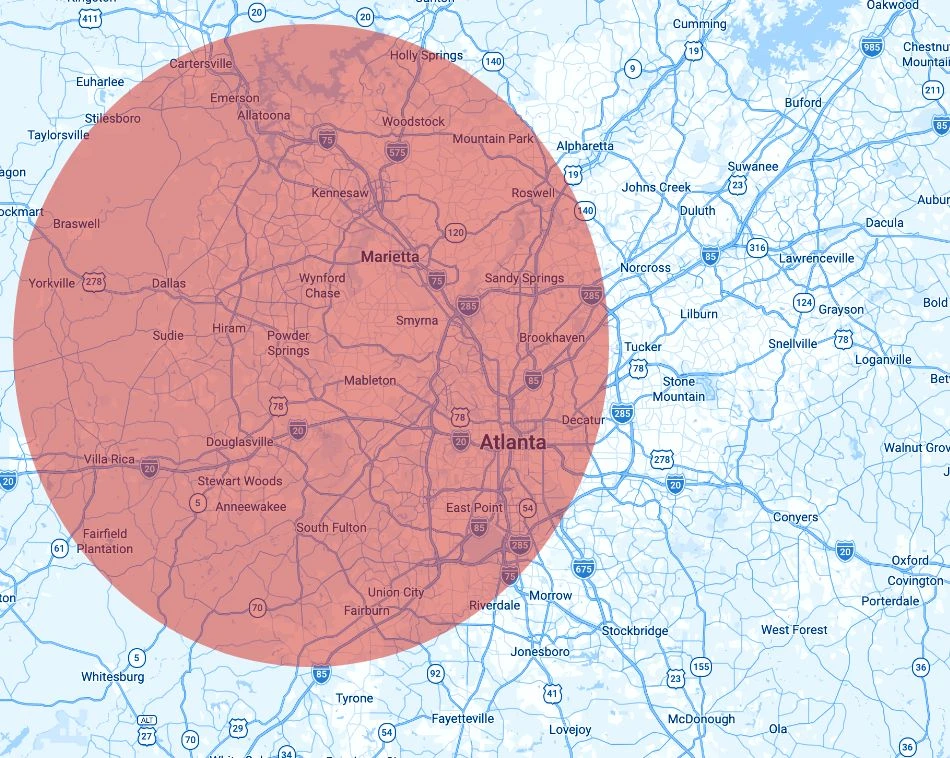
The company serves Mableton, Powder Springs, Douglasville, Smyrna, Marietta, Hiram, Dallas, Kennesaw, Acworth, Atlanta, Roswell, Sandy Springs, and other communities throughout the greater Atlanta area.
Frequently Asked Questions About Furnace Short Cycling and Installation
Question: Why does my furnace keep turning on and off?
Answer: Restricted airflow, thermostat problems, a dirty flame sensor, overheating, blocked venting, or an oversized furnace can all cause frequent cycling. A professional inspection can identify the specific cause and prevent further equipment strain.
Question: Can a dirty filter cause my furnace to turn on and off?
Answer: Yes. A clogged filter can restrict airflow, overheat the furnace, and trigger a safety shutdown before the heating cycle is complete. If the filter is readily accessible, turn the system off before replacing it with the manufacturer-recommended type.
Question: Is furnace short cycling dangerous?
Answer: Some causes involve furnace safety controls or combustion venting. Persistent short cycling should be professionally diagnosed rather than ignored or repeatedly reset. If a carbon monoxide alarm sounds, leave the home immediately and contact emergency services or your local fire department.
Question: How do I stop my furnace from short cycling?
Answer: Check the thermostat, replace an accessible dirty filter with the system turned off, and ensure accessible vents aren’t blocked. If cycling continues, schedule professional furnace diagnostics rather than opening the furnace or adjusting internal components.
Question: Why does my furnace turn off a few seconds after lighting?
Answer: A flame-sensing or ignition problem may cause the system to shut down after ignition because it cannot verify safe burner operation. Have a qualified HVAC technician inspect the furnace rather than cleaning combustion components or repeatedly restarting it yourself.
Stop Furnace Short Cycling Before It Becomes a Bigger Problem
A furnace that constantly turns on and off may signal restricted airflow, ignition problems, faulty controls, overheating, or improper sizing. Check the thermostat and an accessible filter, but if short cycling continues, schedule professional service so H & H Mechanical can help protect your comfort, equipment, and budget.
Still have questions about furnace repair or installation? Contact H & H Mechanical and Schedule Service Today.
 770-941-5149