A furnace failure rarely chooses a convenient time. You may wake up to a cold house, hear an alarming bang when the system starts, or notice a burning smell just as temperatures drop across Austell and the Atlanta metro area.
Some furnace problems are more than an inconvenience. Ignoring warning signs can increase energy costs, damage expensive components, lead to a complete breakdown, or create a serious safety concern.
That matters even in Georgia’s relatively mild winters. Atlanta-area temperatures can fall well below freezing during cold snaps, making dependable heating especially important.
H & H Mechanical has served Atlanta and Northwest Georgia since 1983, providing heating services backed by NATE-certified technicians, a BBB A+ rating, and a 100% satisfaction guarantee.
Furnace Problems That May Require Emergency Repair
Knowing which warning signs require fast attention can protect your heating system, your home, and your family. Here are furnace problems you should never simply hope will disappear.
Strong or Persistent Gas Odors
A strong or persistent gas odor around a furnace may indicate a dangerous gas leak or combustion problem. Leave the home, move to a safe location, and contact emergency services or your gas utility without attempting repairs. Do not operate the furnace again until qualified professionals confirm that it is safe.
Carbon Monoxide Warning Signs
Carbon monoxide is odorless and can enter your home because of a damaged heat exchanger, improper combustion, or venting problems. If your carbon monoxide alarm sounds, leave the property immediately and contact emergency services from a safe location. Do not restart the furnace until a qualified professional determines that it is safe.
Furnace Fails to Turn On
A furnace that will not start may have a thermostat, power, ignition, electrical, control-board, or safety-switch problem. Check that the thermostat is set to Heat, the batteries and filter are in good condition, and confirm that the furnace’s ordinary power switch has not accidentally been turned off. If these checks do not restore operation, avoid resetting breakers, opening furnace compartments, or attempting internal repairs and request emergency HVAC service.
Burning or Electrical Odors
A brief dusty smell may occur during the first heating cycle, but persistent burning, smoky, melting-plastic, or electrical odors can indicate overheating or component failure. If it is safe to do so and there is no smoke, visible sparking, or other immediate danger, turn off the furnace using its normal controls and do not continue running it to see whether the smell disappears. If you see smoke or sparks or believe there may be a fire, leave the area and contact emergency services from a safe location. Arrange professional furnace service before operating the system again.
Loud or Unusual Furnace Noises
Sudden banging, grinding, scraping, squealing, buzzing, or persistent rattling may indicate ignition, blower motor, belt, bearing, electrical, or other mechanical problems. Ignoring unusual sounds can allow a failing component to damage additional furnace parts. If the noise is severe, occurs during ignition, or is accompanied by gas odors, smoke, or other safety warning signs, stop using the furnace and seek professional help. Otherwise, schedule an inspection before a minor repair becomes a major breakdown.
Cold Air Coming From the Vents
Cool or barely warm air from the vents may result from thermostat problems, ignition failure, a dirty filter, restricted airflow, burner issues, or a malfunctioning safety control. Check the thermostat settings and inspect the filter for excessive buildup without opening internal furnace compartments. If the furnace still does not produce heat, request professional diagnosis.
Frequent Furnace Short Cycling
A furnace that starts and stops repeatedly may be experiencing restricted airflow, overheating, thermostat problems, flame-sensor issues, or control failure. Frequent cycling increases component wear and may indicate that a safety control is shutting the system down. Schedule expert furnace repair before the problem causes a complete loss of heat.
Yellow or Irregular Burner Flames
Yellow or irregular flames, visible soot, or other signs of abnormal combustion may indicate combustion or ventilation problems. Do not open the burner compartment, adjust the burners, or attempt combustion-related repairs yourself. A qualified technician should inspect the burners, heat exchanger, combustion, and venting system. If a carbon monoxide alarm sounds, leave the home immediately and contact emergency services.
Repeated Circuit Breaker Trips
A furnace that repeatedly trips the circuit breaker may have a motor failure, wiring issue, electrical short, excessive component load, or control problem. Do not continue resetting a breaker that has tripped, as an electrical fault may require professional diagnosis. Leave the furnace off and arrange professional HVAC service.
What Should You Do When You Notice Furnace Trouble?
Not every furnace problem requires the same response. A few safe troubleshooting steps can help you determine whether the problem is simple or requires professional attention.
- Check for immediate danger. Leave the home if you smell strong gas or a carbon monoxide alarm sounds. If you see smoke, sparks, or signs of fire, move to a safe location and contact emergency services.
- Check the thermostat and filter. Confirm the system is set to Heat and inspect the filter for excessive buildup without opening internal furnace compartments.
- Check normal power controls. Confirm that the furnace’s ordinary power switch hasn’t accidentally been turned off without opening panels, resetting breakers, or working on electrical components.
- Pay attention to warning signs. Unusual sounds, odors, repeated shutdowns, and breaker trips can indicate a larger problem.
- Schedule professional diagnosis. If basic checks don’t restore normal operation, avoid resets or DIY internal repairs.
Knowing when to stop troubleshooting is important. Electrical problems, gas odors, severe overheating, repeated short cycling, and combustion concerns should be left to trained professionals.
When Is Furnace Repair Truly an Emergency?
Some situations deserve immediate attention rather than waiting for a convenient appointment. Strong gas odors, carbon monoxide alarms, smoke, persistent electrical smells, repeated breaker trips, severe mechanical noises, and loss of heat during dangerously cold weather can all justify urgent action.
When safety is involved, shutting the system down—or leaving the property when appropriate is more important than trying to keep the furnace running.
Furnace Filter Maintenance Matters
A dirty furnace filter can do more than make your home dusty. Restricted airflow can increase furnace runtime, raise energy consumption, and place additional wear on the blower motor. Routine filter replacement, when the filter is designed to be safely accessible to the homeowner and the manufacturer’s instructions are followed, is one of the simplest steps homeowners can take to support dependable furnace operation.
Checking your filter regularly can also help reduce the likelihood of overheating and other airflow-related problems.
How Regular Furnace Maintenance Can Help Prevent Expensive Repairs
The best emergency furnace repair is often the one you never need. A professional seasonal tune-up allows developing problems to be identified before you’re depending on your furnace during a cold snap.
Regular furnace maintenance can help:
- Identify worn components and developing mechanical problems.
- Catch ignition, combustion, and airflow concerns early.
- Reduce unnecessary strain while supporting efficient operation.
- Lower the likelihood of surprise heating breakdowns.
Preventive service may also give homeowners more time to plan for major repairs or future equipment replacement rather than facing an unexpected decision during a heating emergency.
H & H Mechanical also offers a maintenance membership featuring two visits per year, a 32-point inspection, priority-service benefits, repair savings, and additional protections.
Why Austell Homeowners Turn to H & H Mechanical for Emergency HVAC Repair
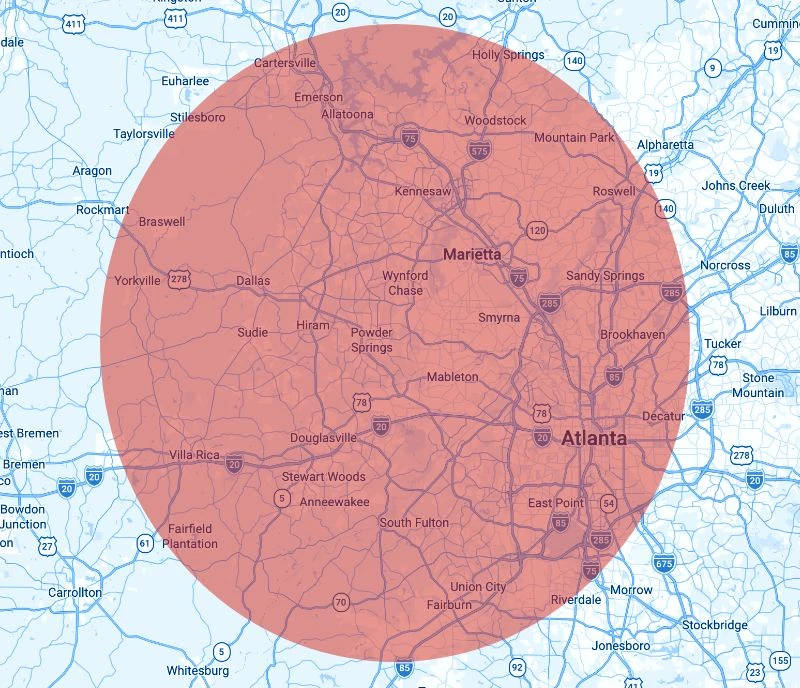
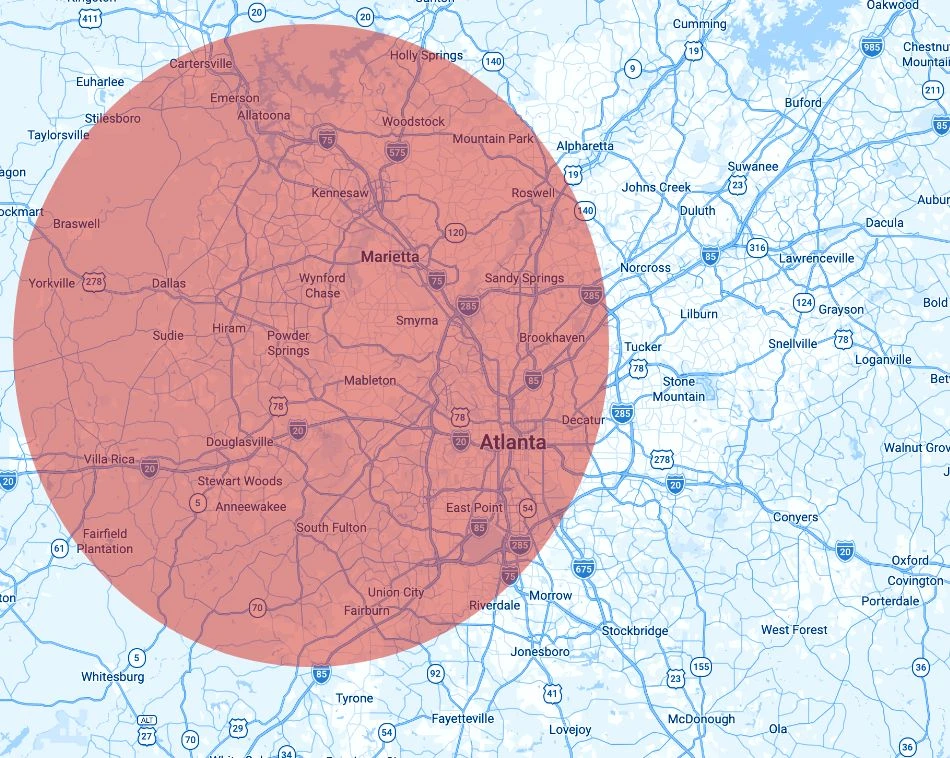
When your heat stops working,H & H Mechanical provides experienced furnace repair backed by NATE-certified technicians, a BBB A+ rating, and a 100% satisfaction guarantee. Serving Atlanta and Northwest Georgia since 1983, the company holds a Georgia Conditioned Air Non-Restricted license and has earned a 4.9-star rating from more than 500 customer reviews. Based in Austell, H & H Mechanical serves homeowners throughout the region, including Powder Springs, Smyrna, Marietta, Vinings, Hiram, Kennesaw, Dallas, Acworth, Roswell, and Sandy Springs.
FAQs About Emergency Furnace Repair in Austell, GA
Question: What furnace problems are considered emergencies?
Answer: Gas odors, carbon monoxide alarms, smoke, electrical burning smells, repeated breaker trips, or complete heat loss during dangerously cold weather may require immediate attention. When there is a potential safety risk, shut down the system or leave the property as appropriate and seek professional help.
Question: What should I do if I smell gas near my furnace?
Answer: Leave the home immediately and move to a safe location before contacting emergency services or your gas utility. Do not operate electrical switches, restart the furnace, or attempt to locate and repair the leak yourself.
Question: Why is my furnace running but not heating my home?
Answer: The problem may involve a dirty filter, thermostat issue, ignition failure, flame sensor, burner problem, or furnace safety control. If basic thermostat and filter checks do not restore heat, schedule professional furnace diagnosis.
Question: Why does my furnace keep turning on and off?
Answer: Frequent short cycling can be caused by restricted airflow, overheating, thermostat problems, flame-sensor issues, or malfunctioning controls. Because repeated cycling increases wear and can signal an underlying safety issue, professional inspection is recommended if it continues.
Question: Should I repair or replace my furnace?
Answer: Repair often makes sense when the furnace is otherwise reliable and the problem involves a manageable component failure. Replacement may deserve consideration when the system is aging, requires frequent repairs, has significant safety concerns, or would be costly to restore.
Don’t Ignore Furnace Warning Signs
A strange noise, unusual smell, repeated shutdown, or sudden loss of heat may signal a serious furnace problem, so prompt attention can protect your comfort and prevent costly damage. If you notice gas, carbon monoxide, smoke, or serious electrical symptoms, prioritize safety and contact a professional before operating the furnace again.
Don’t wait until a struggling furnace stops completely. Schedule Emergency Furnace Repair with H & H Mechanical Today.
 770-941-5149