When temperatures drop in Austell, the last thing you want is a heating system that struggles to keep your family comfortable. An aging, inefficient, or improperly sized system can mean cold rooms, rising energy bills, repeated repairs, and an unexpected breakdown when you need heat most.
A professional central heating installation gives you an opportunity to solve those problems before they become emergencies. The right system can deliver more consistent comfort, quieter operation, better efficiency, and dependable heating for years to come.
Austell winters are relatively short, but temperatures can still approach freezing, making reliable heating essential during cold snaps.
H & H Mechanical has served the Atlanta area for more than 40 years and provides heating installation backed by NATE-certified technicians, a BBB A+ rating, and a 100% satisfaction guarantee.
What Happens During a Central Heating Installation?
Installing central heating involves much more than removing an old furnace and connecting a new one. A quality installation should consider your home’s heating requirements, existing ductwork, equipment efficiency, airflow, controls, safety requirements, and local codes. Because the work can involve electricity, fuel, refrigerant, combustion, and venting systems, installation should be performed by qualified HVAC professionals rather than attempted as a DIY project.
Here is what Austell homeowners can generally expect from the professional installation process.
Step 1: Your Home’s Heating Needs Are Evaluated
The first step is determining how much heating capacity your home requires by considering its size and layout, insulation, windows, ceiling height, air leakage, existing ductwork, sun exposure, number of occupants, and local weather conditions. Proper sizing matters because an oversized system may short cycle and create uneven temperatures, while an undersized system may run continuously without maintaining your thermostat setting, so ask your installer to evaluate your home’s heating load before recommending equipment.
Step 2: The Right Central Heating System Is Selected
Once your home’s heating requirements are understood, your contractor can recommend equipment based on your home, existing infrastructure, energy source, comfort goals, and budget. Options may include gas furnaces, electric furnaces, heat pumps, dual-fuel systems, and packaged HVAC systems, with the best choice balancing comfort, efficiency, operating costs, installation requirements, and long-term reliability.
Step 3: Your Existing Ductwork Is Inspected
Technicians should inspect accessible ductwork for air leaks, loose connections, damaged sections, restricted airflow, improper sizing, missing insulation, excessive dust or debris, and poor supply-and-return balance. Duct problems can waste conditioned air and create uneven temperatures, so professional duct sealing, modification, or replacement may be recommended before or during installation.
Step 4: Permits and Code Requirements Are Addressed
Central heating installation may involve electrical, mechanical, and gas connections, so local code compliance should be addressed from the beginning. The City of Austell requires mechanical permits for heating, ventilation, cooling, and refrigeration system installation and repair, while electrical and certain plumbing or gas work may require additional permits, so choose a qualified contractor familiar with Austell, Cobb County, and Georgia requirements.
Step 5: The Old Heating Equipment Is Removed
On installation day, technicians shut down the existing system, safely disconnect electrical connections, gas lines, exhaust venting, refrigerant components, duct connections, thermostat wiring, and drainage components as needed. These connections should only be handled by qualified professionals, and homeowners should not open equipment panels, disconnect wiring, disturb gas piping, or attempt to remove the system themselves. The old equipment is then removed so the installation area can be prepared, and homeowners should keep the furnace, air handler, mechanical closet, attic access, and surrounding pathways clear.
Step 6: The New Heating System Is Installed
The new equipment is positioned and connected according to manufacturer specifications and applicable codes, which may involve duct connections, electrical wiring, gas piping, venting, condensate drainage, refrigerant lines, outdoor equipment, safety switches, and thermostat wiring. These tasks require appropriate training and should be completed by qualified HVAC professionals. Homeowners should not attempt to connect, adjust, or troubleshoot electrical, fuel, refrigerant, combustion, or venting components themselves. Because installation quality directly affects performance, improper airflow, venting, wiring, drainage, or equipment setup can reduce efficiency and reliability from the beginning and may create serious safety hazards.
Step 7: The Thermostat and Controls Are Configured
A new heating installation may include a thermostat with programmable schedules, Wi-Fi connectivity, smartphone controls, energy-use tracking, vacation settings, multi-stage equipment control, or smart-home integration. Your technician should verify that the thermostat communicates properly with the system and explain its settings, while maintaining a consistent schedule can improve comfort and reduce unnecessary system strain.
Step 8: Airflow and System Operation Are Tested
A professional startup process should verify that the system operates safely and correctly by checking supply and return airflow, temperature rise, electrical operation, thermostat response, gas connections, combustion and venting, safety controls, drainage, and equipment cycling. These checks should be performed by the installer rather than attempted by the homeowner. Any problems identified during testing should be corrected by the installer before the installation is considered complete.
Step 9: Your Installer Walks You Through the New System
Before the project ends, your technician should explain how to operate the thermostat, replace homeowner-serviceable filters according to manufacturer instructions, identify normal sounds, recognize warning signs, follow maintenance recommendations, understand warranties, complete equipment registration, and understand the location and safe use of manufacturer-designated emergency shutoff controls, if applicable. Homeowners should limit maintenance to tasks the manufacturer specifically designates as homeowner-serviceable and leave internal equipment, electrical, fuel, refrigerant, combustion, and venting work to qualified professionals. Keep the equipment manuals, warranty documents, installation records, and maintenance information together for future reference.
How Do You Know It’s Time to Replace Your Central Heating System?
Not every heating problem requires replacement, but frequent repairs, uneven heating, rising energy bills, unusual noises, or strange odors may indicate that your system is declining. If your equipment is older and experiencing multiple issues, schedule a professional evaluation to compare repair and replacement options.
Frequent Heating Repairs
Occasional repairs may be reasonable, but repeated service calls can make an aging system increasingly expensive to maintain. Compare ongoing repair costs with the reliability, efficiency, and long-term value of a new heating system.
Uneven Heating
Cold rooms, overheated spaces, and temperature differences between floors may result from ductwork, airflow, sizing, or equipment problems. Have a technician identify the cause before replacing the system so the solution addresses the underlying comfort issue.
Rising Energy Bills
Increasing heating bills may result from weather, utility rates, air leaks, duct problems, or deteriorating equipment. If energy use continues rising despite similar household habits, schedule a professional inspection to determine whether your system is losing efficiency.
Strange Noises or Odors
Grinding, banging, screeching, electrical odors, or persistent burning smells can signal mechanical or electrical problems that require prompt professional attention. Avoid opening or attempting to repair internal HVAC components yourself. If you smell gas, leave the area immediately, avoid operating electrical switches or anything that could create a spark, and follow your gas utility’s emergency instructions from a safe location instead of troubleshooting the system yourself.
An Aging Heating System
Age alone does not determine whether replacement is necessary, but equipment condition, maintenance history, repair frequency, comfort, and efficiency should all be considered. An older system with several ongoing problems may be a better replacement candidate than one that remains reliable and well maintained.
What Should You Do Before Central Heating Installation?
A little preparation can make installation day easier and help the project move more efficiently. Clearing the work area, securing pets, and ensuring technicians have easy access to the equipment can reduce delays and protect your home.
Homeowner Installation Checklist
- Clear the equipment area. Remove boxes, furniture, decorations, or stored belongings that could restrict access, without opening or moving HVAC equipment or disturbing electrical, gas, refrigerant, or venting components.
- Clear pathways. Make it easier for technicians to move equipment safely through the home.
- Secure pets. Keep animals away from work areas and exterior doors.
- Confirm the equipment selected. Review the model, efficiency level, and project scope before work begins.
- Ask about permits. Confirm who handles required mechanical or related permits.
- Discuss ductwork. Understand whether repairs or modifications are included.
- Review thermostat options. Decide whether you want programmable or smart controls.
- Ask about warranties. Understand manufacturer and workmanship coverage.
- Plan for maintenance. Know when your first routine service should occur.
- Request operating instructions. Make sure you understand normal homeowner operation and manufacturer-approved maintenance before the crew leaves.
How Long Does Central Heating Installation Take?
Central heating installation may take anywhere from a few hours to several days, depending on the equipment, ductwork, accessibility, electrical or gas modifications, thermostat upgrades, and permit requirements. Your HVAC contractor should explain the expected timeline and project scope before work begins.
How Regular Maintenance Protects Your New Heating System
Routine seasonal maintenance helps protect your central heating investment by identifying developing problems, checking airflow and safety components, reducing system strain, and supporting reliable performance. Homeowners should leave inspections, adjustments, and internal equipment servicing to qualified HVAC professionals and perform only maintenance specifically identified by the manufacturer as homeowner-serviceable. H & H Mechanical recommends scheduling preventive heating service in the fall so Austell homeowners can prepare their systems before colder weather arrives.
Why Professional Installation Matters in Austell, GA
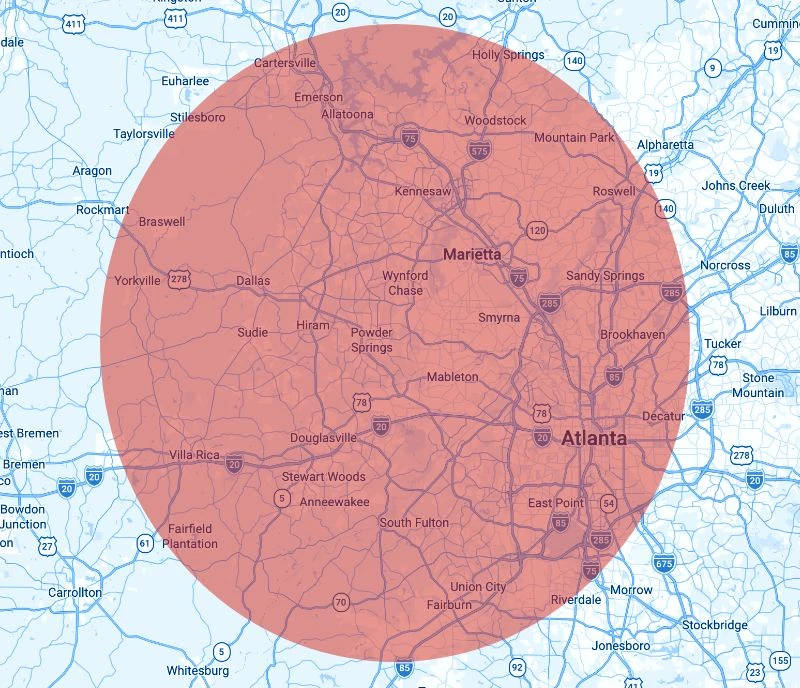
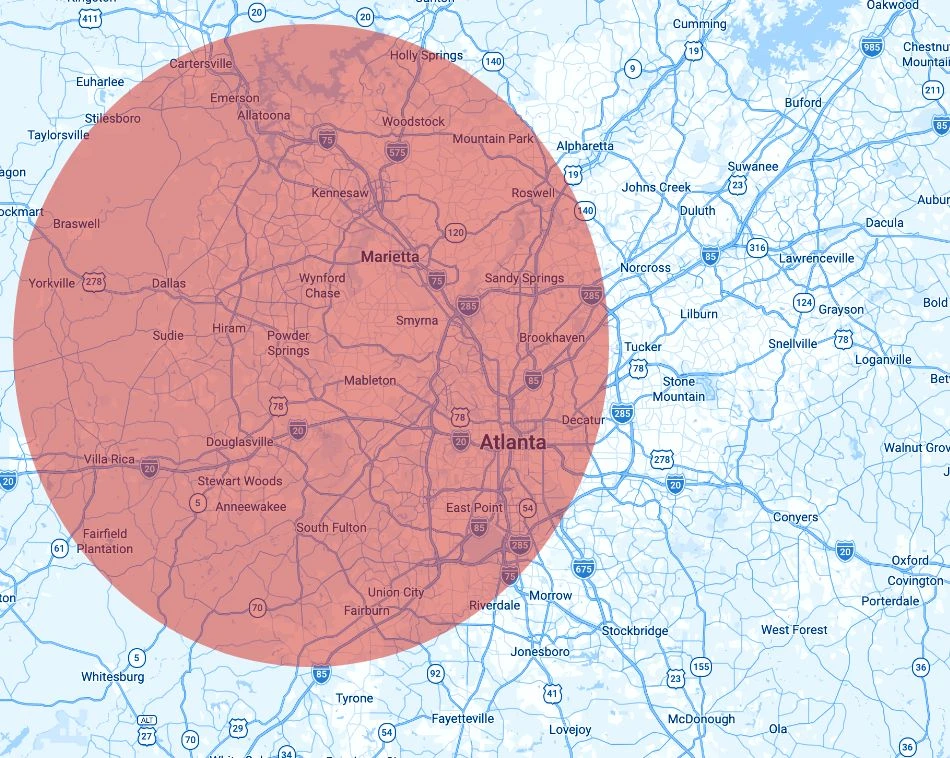
Central heating installation involves electrical, mechanical, fuel, venting, sizing, airflow, and code-compliance considerations, so professional expertise is essential for safe, efficient, reliable performance. Georgia requires compliance with current mechanical codes, and Austell requires mechanical permits for heating-system installation and repair. H & H Mechanical is family owned, has served the Atlanta area since 1983, employs NATE-certified technicians, maintains a BBB A+ rating and 100% satisfaction guarantee, and serves Austell and nearby communities including Powder Springs, Smyrna, Marietta, Hiram, Dallas, Acworth, Kennesaw, Vinings, Roswell, and Sandy Springs.
Questions to Ask Before Hiring a Heating Installer
Before signing an installation agreement, ask:
- Is the contractor properly licensed for the work?
- How will the correct equipment size be determined?
- Will existing ductwork be inspected?
- Are required permits included?
- What equipment efficiency options are available?
- What is included in the installation price?
- Will the old equipment be removed?
- What warranties apply?
- Is thermostat installation included?
- What maintenance does the new system require?
- Who should I contact if there is a problem after installation?
A reputable HVAC professional should be able to answer these questions clearly without pressuring you into equipment you do not need.
FAQs About Central Heating Installation in Austell, GA
Question: How much does central heating installation cost in Austell, GA?
Answer: Costs vary based on equipment type, home size, efficiency rating, ductwork, and installation complexity. A professional in-home assessment provides the most accurate estimate.
Question: How long does a new heating system installation take?
Answer: Many straightforward replacements can be completed in one day. Ductwork repairs, electrical upgrades, venting changes, or equipment relocation may extend the project.
Question: Do I need a permit to install a heating system in Austell?
Answer: Yes, Austell requires mechanical permits for heating, ventilation, cooling, and refrigeration system installation and repair. Your HVAC contractor should explain which permits and inspections apply to your project.
Question: Should I repair or replace my heating system?
Answer: Replacement may make more sense when frequent repairs, poor comfort, declining efficiency, or major component failures continue. A professional evaluation can compare the expected repair cost with the benefits of a new system.
Question: What size heating system does my house need?
Answer: The correct size depends on your home’s heating load, insulation, windows, layout, and air leakage not square footage alone. Your contractor should perform a proper load calculation before recommending equipment.
Get Reliable Central Heating Installation in Austell, GA
A new central heating system should provide dependable comfort, efficient operation, proper airflow, and confidence during cold weather through careful planning, sizing, installation, testing, and maintenance. For homeowners in Austell and surrounding Northwest Atlanta communities, H & H Mechanical offers more than four decades of local HVAC experience, NATE-certified expertise, a BBB A+ rating, and a 100% satisfaction guarantee.
Don’t wait until your aging heater quits on a cold Georgia night. Schedule Your Central Heating Installation Consultation withH & H Mechanical Today.
 770-941-5149