Choosing a new furnace may seem simple until you start comparing BTU ratings, efficiency levels, and equipment sizes. Install a furnace that is too small, and it may struggle to keep your Austell home comfortable. Install one that is too large, and you could end up with short cycling, uneven temperatures, unnecessary energy use, and added wear on the system.
The good news is that furnace sizing does not have to be a guessing game. A professional heating-load calculation can determine how much heating capacity your home actually needs based on its construction, insulation, windows, air leakage, and the local climate.
H & H Mechanical has served the Atlanta area and Northwest Georgia for more than 40 years. Our NATE-certified technicians help homeowners select properly sized heating systems designed for dependable performance, efficiency, and long-term comfort.
Why Furnace Size Matters Before Installation
Furnace capacity is measured in BTUs, or British Thermal Units per hour, but square footage alone does not determine the correct size. Professional sizing also considers insulation, ceiling height, windows, air leakage, ductwork, home orientation, and local climate to match the furnace to your home’s actual heating load.
What Size Furnace Does an Austell Home Need?
The amount of heating capacity an Austell home needs can vary significantly from one property to another, even among homes with similar square footage. Insulation, windows, air sealing, construction, and other factors can change the heating load considerably.
Rather than relying on a general BTU-per-square-foot estimate, a professional heating-load calculation should be used to determine the appropriate furnace size for your home.
Problems Caused by an Oversized Furnace
Installing a furnace that is larger than necessary can cause short cycling, uneven temperatures, higher energy use, and unnecessary equipment wear. Properly matched equipment can provide more consistent comfort and efficient performance than simply choosing the largest available unit.
Short Cycling
An oversized furnace may heat your home quickly and shut down before completing a steady heating cycle, leading to frequent starts and stops. This short cycling can increase component wear, create temperature swings, reduce comfort, and make the system seem louder.
Uneven Temperatures
A larger furnace will not necessarily eliminate cold bedrooms or other uncomfortable areas. Uneven temperatures may be caused by duct leaks, poor airflow, inadequate insulation, or an unbalanced system.
Identifying the underlying issue before replacing the furnace helps ensure the new equipment addresses your home’s actual comfort needs.
Factors That Can Change the Furnace Size Your Home Needs
Several features of your home can affect how much heating capacity your furnace requires. Insulation, windows, ceiling height, and ductwork all influence how efficiently your home holds and distributes heat.
1. Insulation Levels
Insulation slows heat loss through walls, attics, floors, and crawlspaces, while a poorly insulated home may require more heating capacity. Improving insulation before furnace installation can reduce the heating load and may affect the recommended furnace size.
2. Window Efficiency
Single-pane, poorly sealed, or oversized windows can increase heat loss and affect your home’s heating requirements. A professional load calculation accounts for window efficiency, size, number, and orientation when determining furnace size.
3. Ceiling Height
Homes with vaulted or high ceilings contain more air volume to heat than homes with standard ceiling heights, even when their square footage is the same. That additional volume should be included when calculating the home’s heating load.
4. Ductwork Condition
Damaged, disconnected, or poorly sealed ductwork can waste heated air and make even a properly sized furnace perform poorly. Before installation, a technician should evaluate the supply and return ducts, airflow restrictions, and the overall distribution system.
What Should You Do Before Choosing a Furnace Size?
Instead of choosing equipment from a general online sizing chart, start with a professional evaluation of your home.
First, have the heating load calculated using accurate information about your insulation, windows, construction, renovations, and square footage. Then discuss any existing comfort concerns, such as cold rooms, short cycling, weak airflow, or unusually long heating cycles.
Before approving a furnace, ask how the recommended capacity was determined and whether the duct system can support the new equipment. You should also compare the furnace’s efficiency rating and usable output rather than focusing only on its advertised input BTUs.
A reliable pre-installation process should include:
- A professional heating-load calculation
- An airflow and ductwork evaluation
- Equipment selection based on your home’s actual needs
Why Local Climate Matters in Austell, GA
Furnace sizing in Austell is different from sizing a furnace for a home in Chicago, Boston, or Minneapolis. Northwest Georgia experiences milder winters, so applying heating assumptions intended for much colder regions can result in an oversized system.
A contractor familiar with Austell and the greater Atlanta area can use local design temperatures when determining the proper heating load. This helps ensure the furnace has enough capacity for colder conditions without adding more capacity than your home needs.
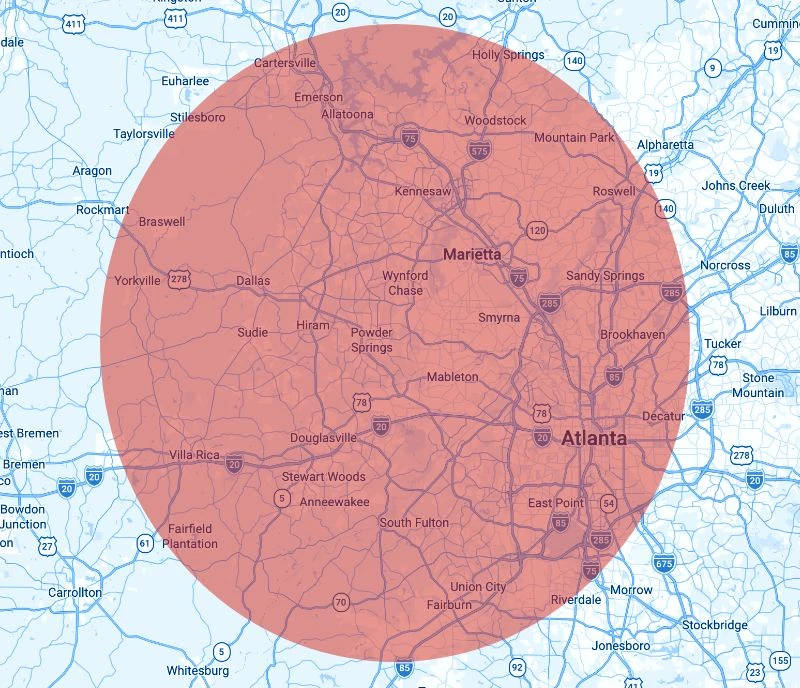
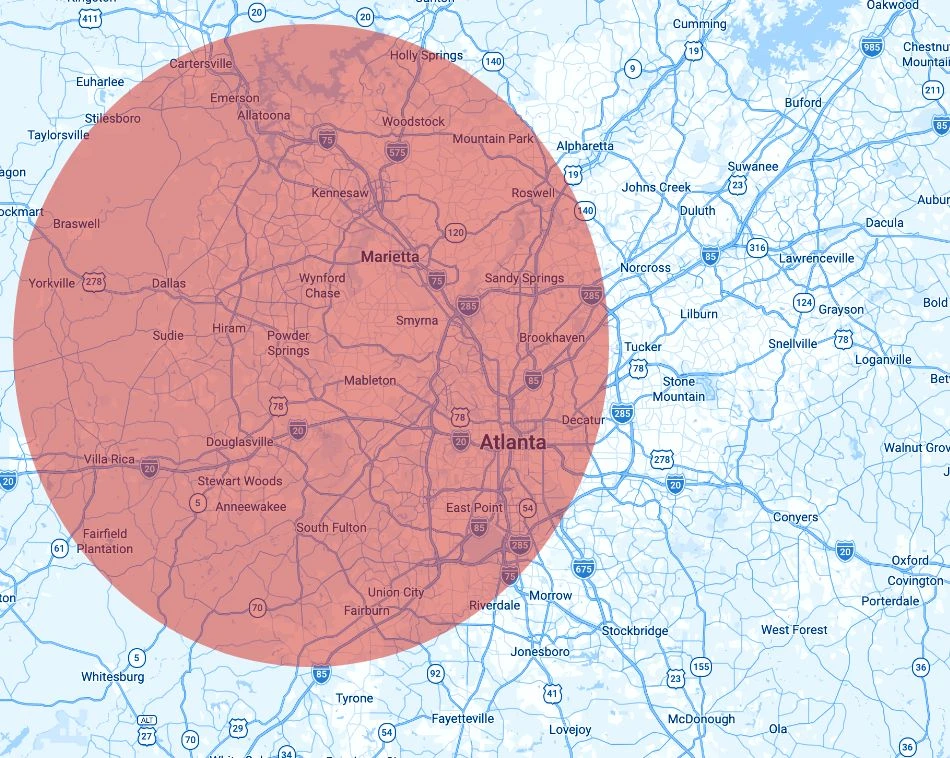
H & H Mechanical serves Austell and nearby communities such as Mableton, Douglasville, Powder Springs, Smyrna, Marietta, Hiram, and Dallas. Working with a local HVAC provider helps account for regional climate conditions and local housing characteristics when selecting a new furnace.
How Regular Maintenance Protects Your New Furnace
Correct sizing and professional installation are only the beginning. Routine maintenance helps your furnace continue operating safely, efficiently, and reliably throughout its service life.
During seasonal service, an HVAC technician can inspect heating components, check electrical connections, confirm airflow, and identify developing problems before they become major repairs. Maintenance can also reveal dirty filters, airflow restrictions, and other issues that place unnecessary stress on the system.
Why Choose H & H Mechanical for Furnace Installation in Austell?
Furnace installation requires proper sizing, airflow, equipment selection, and quality workmanship to support long-term comfort.
H & H Mechanical has served the Atlanta area for more than 40 years, providing installation, replacement, repair, and maintenance services from NATE-certified technicians. Our team is backed by a 100% satisfaction guarantee and a BBB A+ rating.
FAQs About Furnace Installation and Sizing in Austell, GA
Question: What size furnace do I need for a 2,000-square-foot home?
Answer: Square footage alone is not enough to determine the correct furnace capacity, even in a mild climate. A professional heating-load calculation should determine the final furnace size based on your home’s construction, insulation, windows, air leakage, and other relevant factors.
Question: Can a furnace be too big for my house?
Answer: Yes, an oversized furnace can heat the home too quickly and shut down before completing a steady heating cycle. This may lead to short cycling, temperature swings, added wear, and reduced comfort.
Question: Is square footage enough to size a furnace?
Answer: No, square footage alone does not account for insulation, windows, air leakage, ceiling height, ductwork, or local climate conditions. Professional sizing uses all of these factors to determine the home’s actual heating load.
Question: Should I replace my furnace with the same size I already have?
Answer: Not necessarily, because your existing system may have been incorrectly sized from the beginning. Renovations, insulation upgrades, new windows, or other home improvements may also have changed your heating requirements.
Question: How often should a new furnace be maintained?
Answer: Most furnaces should receive professional maintenance once a year, ideally before the heating season begins. Annual service helps identify developing problems, maintain proper airflow, and support reliable operation.
Get the Right Furnace Before Installation
The right furnace is not necessarily the biggest unit or the same size as the furnace already installed in your home. Your insulation, windows, construction, airflow, efficiency, air leakage, and local climate all influence how much heating capacity your property actually needs. A professional heating-load evaluation removes much of the guesswork and helps your contractor choose equipment suited to your home’s heating requirements.
Don’t risk years of short cycling, uneven temperatures, or poor performance from an improperly sized system. Schedule your furnace installation consultation with H & H Mechanical today.
 770-941-5149