When a commercial chiller starts to fail, the effects can spread quickly across an entire facility. What may begin as uneven cooling or a minor alarm can turn into tenant complaints, production disruptions, overheated equipment rooms, uncomfortable workspaces, and costly emergency repairs.
For facility managers in Austell, GA, chiller performance is especially important during Georgia’s long, humid cooling season. Commercial buildings, industrial facilities, healthcare spaces, schools, retail centers, and office properties all depend on reliable chilled water systems to maintain comfort and protect operations.
That is why chiller warning signs should never be ignored. Many issues show up before a full breakdown occurs. Knowing what to watch for can help you act early, protect your facility, and reduce the risk of larger repairs.
At H & H Mechanical, Inc., our commercial HVAC professionals help facility managers diagnose chiller issues, restore system performance, and keep critical cooling systems working as they should.
Why Chiller Warning Signs Matter for Facility Managers
A chiller is one of the most important systems in many commercial and industrial buildings. When it is operating correctly, it quietly supports comfort, process cooling, humidity control, and equipment protection.
When it begins to struggle, the signs may seem small at first. A zone may feel warmer than usual. An alarm may appear more often. Energy bills may increase without an obvious explanation.
These early symptoms matter because chillers are complex systems. A single issue with refrigerant pressure, water flow, controls, heat transfer, or compressor performance can affect the entire cooling process.
For facility managers, the goal is not only to fix the chiller after it fails. The goal is to identify problems early, protect building operations, and avoid expensive emergency repairs whenever possible.
Inconsistent Cooling Can Signal Chiller Performance Problems
One of the most noticeable signs of chiller trouble is inconsistent cooling. Some areas of the building may feel comfortable while others become too warm. In process environments, temperature-sensitive equipment or production areas may no longer stay within the required range.
This can happen when the chiller is no longer producing chilled water at the correct temperature. It may also be related to poor water flow, fouled tubes, control problems, low refrigerant, or pump issues.
If inconsistent cooling continues, the chiller may run longer than normal to satisfy demand. That extra runtime increases energy use and places more stress on compressors, pumps, and related equipment.
Facility managers should compare current system readings to normal operating baselines without attempting mechanical, electrical, or refrigerant adjustments themselves. If supply temperatures, return temperatures, or building comfort levels are drifting, professional chiller diagnostics should be scheduled before the problem worsens.
Rising Energy Bills May Point to Chiller Inefficiency
A sudden increase in energy costs is often one of the earliest warning signs of commercial chiller problems. If occupancy, operating hours, and weather conditions have not changed significantly, your chiller may be working harder than it should.
This often happens when heat transfer becomes less efficient. Dirty condenser tubes, fouled evaporator surfaces, improper refrigerant levels, failing controls, or cooling tower issues can all force the system to consume more energy.
The concern is not just the higher utility bill. Increased energy use usually means the system is under added strain. Over time, that strain can shorten equipment life and increase the risk of failure during peak demand.
Facility managers should monitor energy trends, runtime hours, and system efficiency. If the chiller is using more power to deliver the same cooling performance, it is time to schedule a professional inspection.
Unusual Chiller Noises Should Not Be Ignored
A commercial chiller should operate within a familiar sound range. When new noises appear, they often indicate that a mechanical or operational issue is developing.
Grinding, rattling, banging, squealing, hissing, or surging sounds can point to worn bearings, loose components, refrigerant issues, compressor strain, pump problems, or air in the system.
These sounds may be more noticeable during startup, shutdown, or heavy load conditions. Even if the chiller continues to run, unusual noise is not something facility managers should dismiss.
A noisy chiller may still be repairable, but delaying service can allow damage to spread. Document when the noise occurs and where it seems to originate, while keeping personnel clear of moving components, electrical panels, pressurized lines, and any area that appears unsafe. That information can help a commercial HVAC technician identify the issue more quickly.
Frequent Alarms or Lockouts Mean the Chiller Needs Attention
Chiller alarms are designed to protect the system from unsafe or damaging conditions. If alarms or lockouts become frequent, the equipment is warning you that something is wrong.
High-pressure alarms, low-pressure faults, flow switch alarms, freeze protection warnings, and compressor trips should all be investigated. These faults can be related to water flow problems, refrigerant issues, dirty heat transfer surfaces, electrical faults, failing sensors, or control problems.
Repeatedly resetting alarms without correcting the underlying issue can lead to larger failures. It can also make the system less reliable and harder to manage during periods of heavy demand.
Facility managers should record the alarm code, time of day, outdoor conditions, load conditions, and whether the same fault repeats. A qualified commercial HVAC technician can use that information to narrow down the cause.
Water Leaks and Refrigerant Issues Require Fast Action
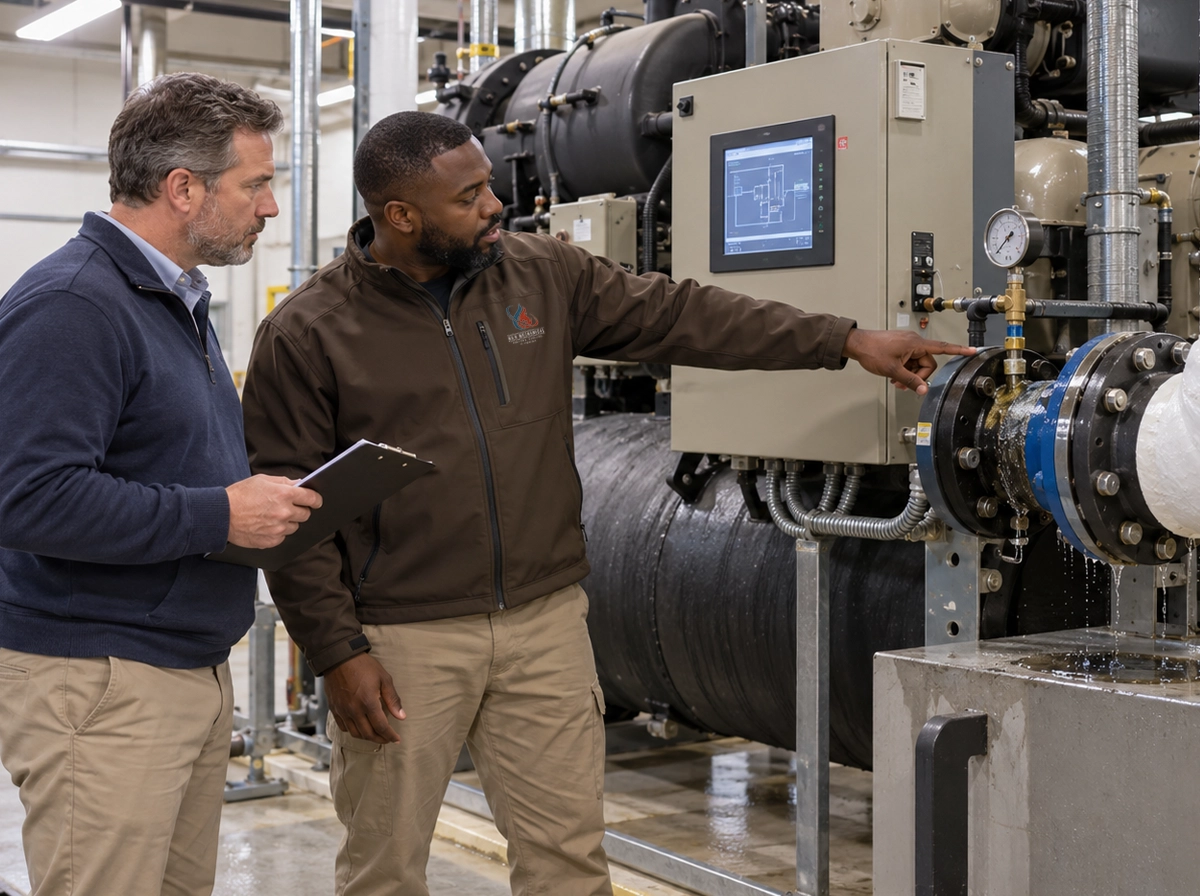
Visible water around the chiller, pumps, valves, piping, or cooling tower should always be inspected by a qualified professional. Leaks can come from failed seals, corrosion, clogged drains, loose fittings, condensation problems, or tube damage.
Even small water leaks can create safety concerns, damage surrounding materials, and reduce system performance. If the leak is connected to a larger mechanical issue, the chiller may become less efficient or less reliable over time.
Refrigerant issues are also serious and should only be handled by properly trained and certified professionals. Low refrigerant can reduce cooling capacity, trigger pressure alarms, increase compressor strain, and cause longer runtimes. Signs may include hissing sounds, oil residue, reduced cooling output, or repeated low-pressure faults.
Facility managers should never ignore recurring moisture or possible refrigerant loss. If the situation appears unsafe, there is a suspected refrigerant leak, or the system is no longer operating correctly, keep personnel away from the affected area and call a professional chiller repair company immediately.
Short Cycling Can Damage Chiller Components
Short cycling happens when the chiller turns on and off more frequently than it should. This can be caused by incorrect setpoints, low load conditions, sensor problems, control issues, refrigerant problems, or compressor concerns.
While short cycling may seem like a control issue at first, it can create serious mechanical stress. Frequent starts and stops put added wear on compressors, starters, contactors, and electrical components.
The result is often reduced system life, unstable temperatures, and a higher chance of emergency failure. In commercial facilities, that can quickly affect comfort, operations, and maintenance budgets.
Facility managers should review recent control changes, scheduling adjustments, and load conditions only from approved building management interfaces. If the cycling pattern continues, professional chiller diagnostics are needed.
Poor Water Flow Can Reduce Chiller Efficiency
Proper water flow is essential for chiller performance. If chilled water or condenser water flow is restricted, the system cannot transfer heat effectively.
Poor flow may be caused by clogged strainers, failing pumps, trapped air, closed valves, scaling, fouling, or sensor problems. In water-cooled systems, cooling tower performance can also affect flow and heat rejection.
When water flow problems continue, the chiller may trigger alarms, lose efficiency, or experience freezing risks. It may also struggle to maintain the desired chilled water temperature.
Facility managers should take flow-related issues seriously and avoid opening pressurized piping, removing components, or attempting internal service without qualified support. If system readings do not match expected performance, a commercial HVAC technician should inspect the chiller, pumps, valves, and related components.
Ice Buildup Is a Serious Chiller Warning Sign
Ice buildup on chiller components, piping, or evaporator areas is a sign that the system is not operating correctly. It may indicate poor water flow, low refrigerant, incorrect setpoints, sensor failure, or heat transfer problems.
Ice can restrict operation and increase the risk of equipment damage. It can also cause the chiller to shut down unexpectedly if safety controls activate.
If ice continues to form, do not keep resetting the system, scrape ice from components, apply heat, or wait for the issue to clear on its own. The safest approach is to have the system inspected by a qualified commercial HVAC professional.
For facilities that depend on continuous cooling, fast action is especially important. Ice buildup can quickly move from a minor warning sign to a major operational problem.
Cooling Tower Problems Can Put Extra Stress on the Chiller
For water-cooled chiller systems, the cooling tower plays a major role in overall performance. If the tower is not rejecting heat properly, the chiller has to work harder.
Rising condenser water temperatures, scale buildup, poor water distribution, fan problems, motor issues, vibration, and makeup water problems can all affect chiller operation.
When the cooling tower struggles, the chiller may experience high-pressure alarms, reduced efficiency, longer runtimes, and greater mechanical stress. This can raise operating costs and increase the risk of breakdowns.
Facility managers should treat cooling tower issues as chiller performance issues and arrange professional service when problems appear. The two systems work together, and a problem in one can quickly affect the other.
What Facility Managers Should Do When Chiller Warning Signs Appear
When a chiller begins showing signs of trouble, the first priority is to protect the facility while gathering useful information for repair diagnostics. Facility managers should:
- Review current alarms, fault history, and system trend logs.
- Compare leaving-water and return-water temperatures to normal readings.
- Look for visible leaks, ice, vibration, unusual sounds, or abnormal cycling from a safe distance.
- Confirm that setpoints, schedules, and building automation settings have not recently changed.
- Call a professional immediately for electrical smells, compressor faults, refrigerant concerns, major leaks, repeated lockouts, or loss of cooling.
This is the only step that should feel like a checklist because fast, organized action matters. The more accurate information you collect, the easier it is for a technician to diagnose the problem and reduce downtime.
How Preventive Maintenance Helps Avoid Emergency Chiller Repair
Preventive maintenance is one of the most effective ways to reduce unexpected chiller failures. It helps identify small problems before they become expensive repairs.
During regular maintenance, a technician can evaluate refrigerant levels, electrical components, compressor performance, water flow, controls, tube condition, pumps, valves, and cooling tower operation.
This matters because commercial chillers often show signs of declining performance before they fail. A small drop in efficiency, a recurring alarm, or a change in water temperature may reveal a developing issue.
For Austell facilities, preventive maintenance is especially valuable before and during the cooling season. Georgia’s warm, humid climate can keep commercial cooling systems under heavy demand for months at a time.
A well-maintained chiller can help lower operating costs, improve comfort, reduce emergency repair calls, and extend equipment life.
Why Austell Facility Managers Choose H & H Mechanical, Inc. for Chiller Repair
Facility managers need a commercial HVAC partner who understands more than basic cooling. Chiller repair requires experience with system diagnostics, water flow, controls, compressors, cooling towers, and the operational demands of commercial buildings.
H & H Mechanical, Inc. provides commercial HVAC service for businesses in Austell and the metro Atlanta area. The company supports commercial and industrial properties with chiller repair, cooling tower repair, diagnostics, maintenance, and system support.
Working with an experienced local team matters because every hour of downtime can affect comfort, productivity, safety, and operating costs. A qualified technician can identify the root cause, explain the repair clearly, and help reduce the chance of the same issue returning.
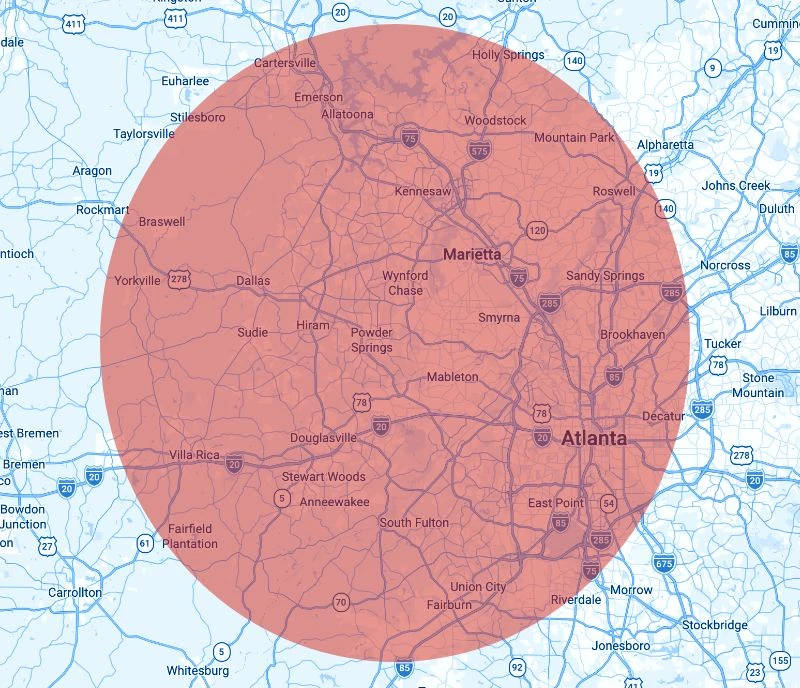
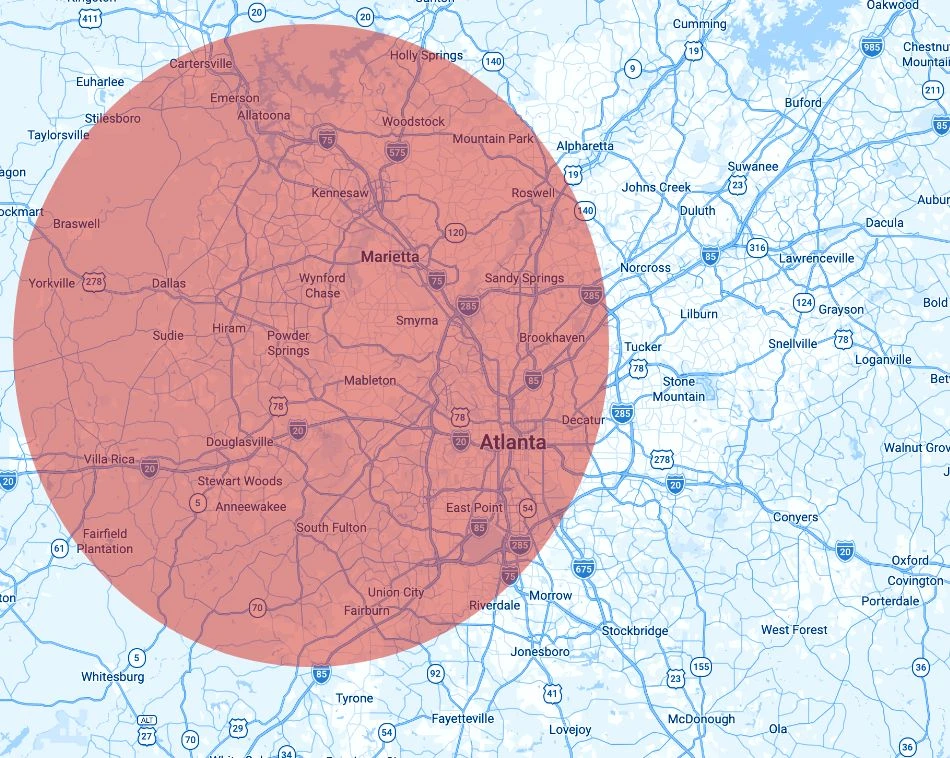
For facilities in Austell, Mableton, Powder Springs, Smyrna, Marietta, Lithia Springs, Douglasville, Atlanta, and the surrounding communities, responsive chiller repair service can make the difference between a controlled repair and a disruptive breakdown.
Interesting Facts About Chiller Performance
A chiller may reveal performance problems in operating data before anyone inside the building notices comfort issues. If runtime increases, alarms become more frequent, or leaving-water temperatures drift from the normal range, the system may already be losing efficiency.
Tracking these patterns can help facility managers catch problems early and avoid emergency service. This is especially important for large commercial and industrial buildings where a chiller failure can affect multiple departments, tenants, or critical areas at once.
FAQs About Chiller Repair in Austell, GA
How do I know if my commercial chiller needs repair?
Your chiller may need repair if you notice poor cooling, rising energy bills, repeated alarms, leaks, ice buildup, unusual noises, or frequent cycling. These signs often indicate underlying issues that can worsen if not addressed promptly.
What causes a chiller to stop cooling properly?
Common causes include poor water flow, low refrigerant, dirty tubes, compressor problems, failing controls, or cooling tower issues. Identifying the exact cause requires a professional inspection to prevent further system damage.
Is it safe to keep resetting a chiller alarm?
No, repeatedly resetting a chiller alarm can hide serious underlying problems. Document the alarm code and have a commercial HVAC technician inspect the system.
How often should a commercial chiller be serviced?
Most commercial chillers should be inspected at least seasonally to maintain optimal performance. Facilities with high demand or critical operations may require more frequent maintenance.
Should I repair or replace my chiller?
Repair may be the best option for isolated or minor issues that do not affect overall system reliability. Replacement may be more cost-effective if the chiller is aging, inefficient, or experiencing major component failures.
Schedule Chiller Repair Before a Small Issue Becomes a Shutdown
Chiller problems rarely fix themselves. When warning signs appear, they usually point to a deeper issue affecting efficiency, reliability, or system safety. For facility managers, acting early protects more than the chiller. It protects building comfort, equipment performance, tenant satisfaction, operating budgets, and business continuity.
If your chiller is showing signs of poor cooling, rising energy use, repeated alarms, leaks, short cycling, unusual noise, or ice buildup, now is the time to schedule professional service.
Don’t let your chiller fail during peak demand. Schedule a fast chiller inspection now. Higher Standards and Honest Work in the Atlanta Metro Area.
 770-941-5149